Property flipping in the UAE continues to attract investors who want speed, clarity, and strong returns. Dubai in particular offers a rare combination of liquidity, transparent regulations, low tax pressure, and a high volume of buyers who are ready to move fast.
Because of this, more people are asking how to start flipping property in the UAE and whether the profits are as strong as they appear.
The short answer is yes, but only if you understand the fundamentals.
Flipping is not a casual move in this market. You need capital, a tight plan, and a firm grip on your numbers. You also need the discipline to avoid emotional buys. When you approach it like a business, this market rewards you.
This guide breaks down the entire process, from what flipping means in the UAE to the documents you need, the capital required, the risks involved, and why Dubai remains one of the strongest flipping environments anywhere.
What Property Flipping Means in the UAE
At its core, property flipping means buying at the right price, adding value, and reselling for a profit. In the UAE, this can take different forms. Some investors focus on ready units that need upgrades.
Others prefer off plan properties, aiming to secure early stage prices and exit before or shortly after handover. Both approaches work. The key is identifying undervalued opportunities in communities with strong resale demand.
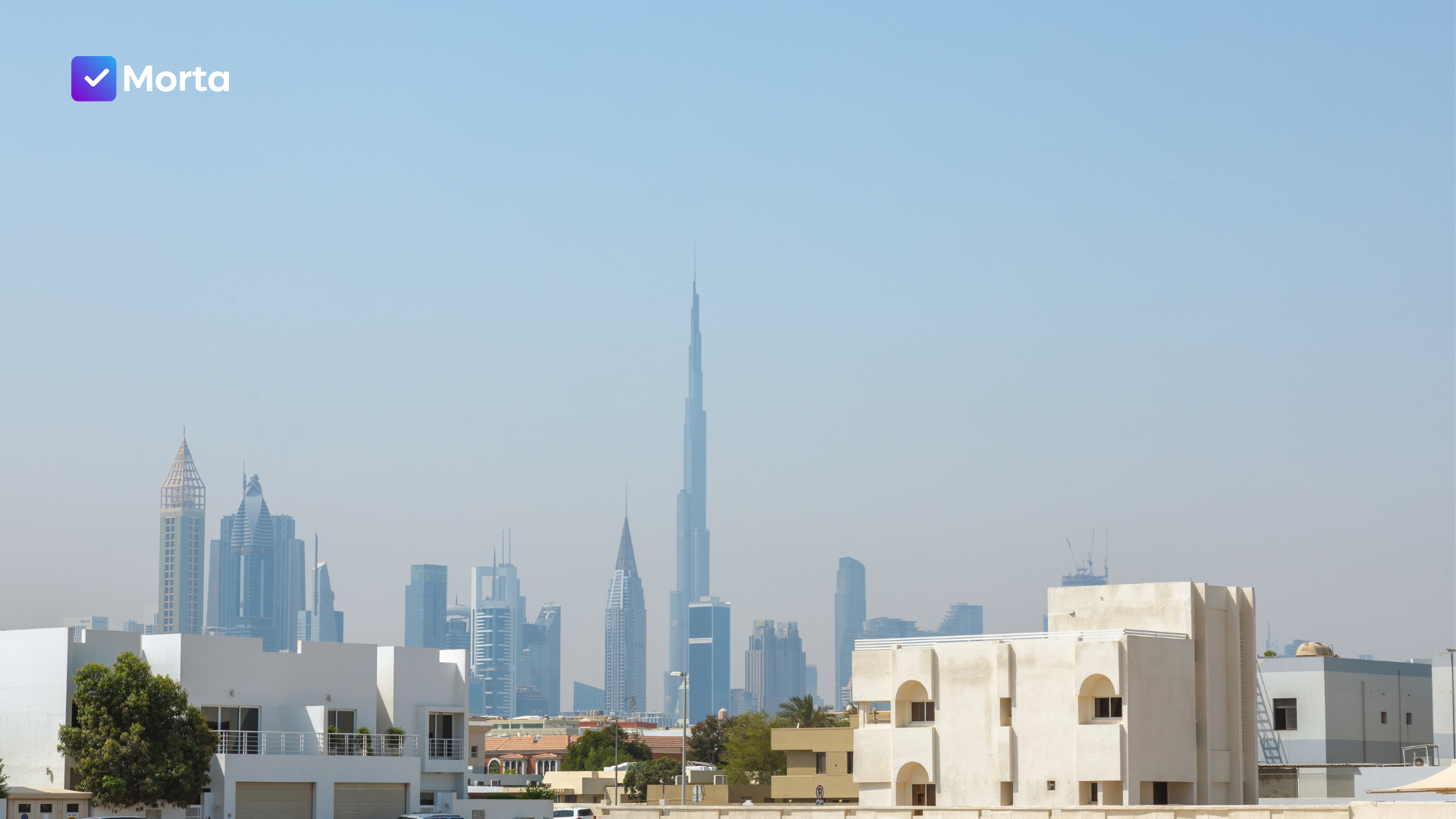
Dubai’s ecosystem makes flipping especially attractive. The Dubai Land Department recorded more than 133,000 property transactions in 2023, marking the highest volume ever. By late 2024, transaction value had crossed AED 400 billion.
This is the type of environment where flippers thrive. High transaction volume means liquidity. Liquidity means you can enter and exit without getting stuck.
Why Flipping Works So Well in the UAE
Investors move into this market for many reasons, but the biggest one is the tax structure.
The UAE has no capital gains tax. There is no annual property tax. There is no inheritance tax. The main cost at purchase is the four percent transfer fee
A tax environment like this immediately strengthens margins.
Dubai’s population growth also plays a major role. The city added more than 100,000 new residents in 2023, and this inflow is expected to continue
More residents create more demand for homes. When demand rises, flipping becomes easier and faster.
There is also the efficiency of the system itself. The Dubai REST app and DLD’s digital services make transfers fast and verifiable
For a flipper, this is ideal. You want low friction, clean paperwork, and predictable steps.
Finally, certain communities have a supply gap. Mid sized villas, affordable townhouses, and well located mid range apartments consistently attract buyers. When you buy in areas with strong demand, your exit is smoother.
The Documents Required to Start Flipping in the UAE
The paperwork for property flipping in the UAE is straightforward, which is one of the reasons this market attracts international investors. Everything begins with identity and proof of funds.
A valid passport is essential, regardless of whether you live in the UAE. Residency is not required to buy property, although having a UAE residence visa or Emirates ID simplifies banking and mortgage approvals. As your transactions grow, these become more convenient.
You will also encounter the No Objection Certificate, known as the NOC. This document is issued by the developer before a resale. It confirms that all service charges and fees on the property have been cleared. Without it, you cannot transfer ownership.
Once you complete a purchase, the Dubai Land Department issues your title deed.
Flippers keep these documents organised because delays in paperwork can directly affect profit timelines.
How Much Capital You Need To Start Flipping in the UAE
You can begin property flipping in Dubai with around AED 500,000 if you are targeting smaller studio or one bedroom units.
Most profitable flippers, however, operate in the AED 1.2 million to AED 3 million range because this segment offers the strongest resale activity. Dubai’s middle market is where you see fast exits and competitive demand.
Your capital will move across several layers. The purchase price is only part of the equation. Every buyer pays the four percent DLD transfer fee, trustee office fees, and typically a two percent agency fee. Trustee fees usually fall between AED 2,000 and AED 4,000, depending on the property type.
Renovation costs depend heavily on your strategy. Cosmetic upgrades can start at AED 60,000 for an apartment. Full villa renovations can reach AED 300,000 to AED 800,000 depending on the work. Service charges must also be included in your calculations. Some buildings in Dubai Marina, for example, reach AED 20 to AED 25 per square foot.
Staging is another cost you should not ignore. A staged home sells faster because buyers instantly understand the potential of the space. Staging in Dubai ranges from AED 5,000 to AED 15,000, and professional photography usually costs AED 800 to AED 1,500.
By the time you add these figures together, a realistic starting point for flipping apartments is between AED 750,000 and AED 1.5 million. Villas require substantially more, but also offer higher margins.
How to Find Properties to Flip in the UAE
Finding profitable opportunities is where flippers separate themselves. You need to focus on buying well. The margin is made at the moment you purchase, not at the moment you sell.
In Dubai, many of the best opportunities come from off market deals. These are transactions where sellers prefer speed and privacy, often resulting in better pricing for buyers who can move quickly. Agents who specialise in distressed or urgent sales can connect you with these opportunities.
Auctions are another avenue. The UAE Auction platform lists repossessed or distressed properties that sometimes sell at attractive prices
Developers also offer the occasional cancelled unit or last remaining inventory at a favourable rate, particularly near handover.
Public portals like Property Finder, Bayut, and Dubizzle remain active hunting grounds. The challenge is competition. A good listing attracts multiple buyers, so negotiation skill becomes essential.
When evaluating a potential flip, investors usually look for properties priced below comparable units. A spread of 8% to 12% below market value is usually enough to create space for renovation costs and profit.
You also need to ensure the renovation budget does not exceed a reasonable percentage of the property’s value and that the community historically shows strong resale activity.
Service charges, future infrastructure, and building reputation also influence the final decision. In Dubai, informed flippers study these factors closely.
How Property Flipping Works in the UAE
Property flipping follows a simple but strict sequence. Everything begins with securing the property. After negotiating the price, you sign the Form F, also known as the Memorandum of Understanding. Once the deposit is paid, the NOC must be requested from the developer. This step verifies that there are no outstanding fees on the property.
After the NOC is issued, buyers and sellers complete the transfer at a trustee office. IDs are verified, contracts are signed, payments are completed, and the title deed is issued.
Only then can the renovation begin.
Renovation time is one of the biggest performance factors in flipping. Delays eat into returns, especially if you are using financing or if the market is moving quickly. Managing contractors with precision is essential.
Once the renovation is complete, staging and photography elevate the listing above the competition. Well presented homes consistently sell faster in Dubai’s market. After listing, the resale cycle begins. With no capital gains tax, the entire margin is yours.
The Risks of Property Flipping in the UAE
Flipping is profitable, but it is not guaranteed. Overpaying is the single biggest risk. If you enter too high, you cannot rescue the deal with renovation. The UAE market rewards discipline, not emotion.
Renovation delays are another common issue. Contractor availability, supplier delays, and design changes can stretch timelines if you do not manage them tightly. Every extra week affects your annualised return.
Market fluctuations also exist. Dubai’s market has been strong for several years, but like any global market, it has cycles. Softer periods may require you to hold longer or rent temporarily.
Service charges are another hidden risk. High fees reduce buyer interest. Understanding each building’s long term maintenance history helps you avoid unpleasant surprises.
Mortgage penalties are possible if you attempt to resell too soon, especially within the first year. Investors using finance should review bank policies carefully
Even with these risks, flipping remains attractive because the upside still outweighs the downside when executed properly.
Is Property Flipping in the UAE Worth It?
Dubai has become a global centre for property investment because it combines stability with opportunity. The government prioritises investor confidence, and the city’s transparent regulations reflect that. The freehold system allows foreigners to own property outright in designated zones.
The constant inflow of international buyers from Europe, Asia, Africa, and the GCC reinforces demand. Even during global slowdowns, Dubai has historically recovered faster than most markets.
The rental market provides a safety net. If a flip does not sell immediately, rental income can stabilise the asset until you decide to relist. This flexibility gives flippers breathing room that many markets do not offer.
In short, the UAE offers an ecosystem where fast transactions, strong demand, low taxes, and predictable regulations support long term wealth creation.
Where Morta Strengthens the Flipping Process
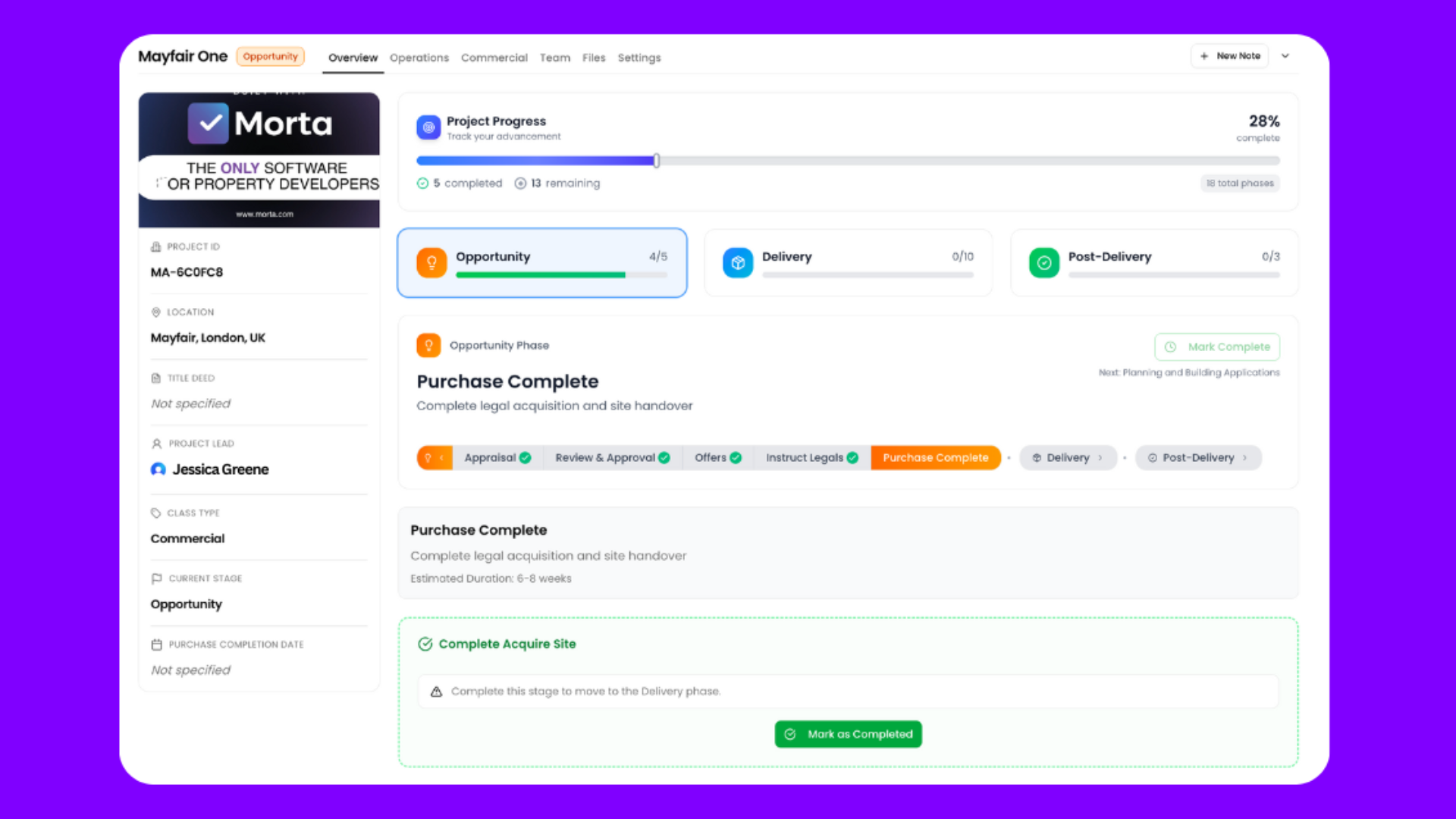
Flippers who operate at a professional level rely on systems. Renovations, supplier quotes, timelines, budgets, and snagging all need to be tracked precisely. Morta provides that structure.
Its Planner tool keeps renovation schedules organised. The communication features ensure that contractors, suppliers, and team members stay aligned without switching between platforms. Inspection and snagging tools streamline site visits.
Supplier management and tendering prevent cost overruns. Document storage eliminates the need for separate paid platforms.
In property flipping, speed and accuracy directly influence your return. Morta gives flippers the operational discipline to keep projects on track.
Before You Start Flipping: A Final High Level Checklist
To keep your request within the limit, this is the only checklist in this section.
Before your first flip, make sure you:
Have at least AED 750,000 ready if you are targeting apartments
• Understand DLD fees, trustee fees, and service charges
• Have a reliable contractor with a confirmed timeline and scope
• Use realistic resale projections, not optimistic ones
• Prepare all documents early to avoid delays during transfer
A flipper who prepares properly always has an advantage. It is the difference between treating this like a project and treating it like a business.
Conclusion
Property flipping in the UAE rewards clarity, discipline, and informed decisions. It is not a guessing game, and it is not for people who rush into deals without running the numbers.
When done properly, it becomes one of the most efficient ways to build wealth because the city’s infrastructure, tax structure, and global appeal all work in your favour.
You buy smart, renovate with precision, list strategically, and exit at the right moment. That formula works. It has worked for years in Dubai, and it continues to work today.