Real Estate (4)
The Most Expensive Areas to Rent in Dubai in 2026
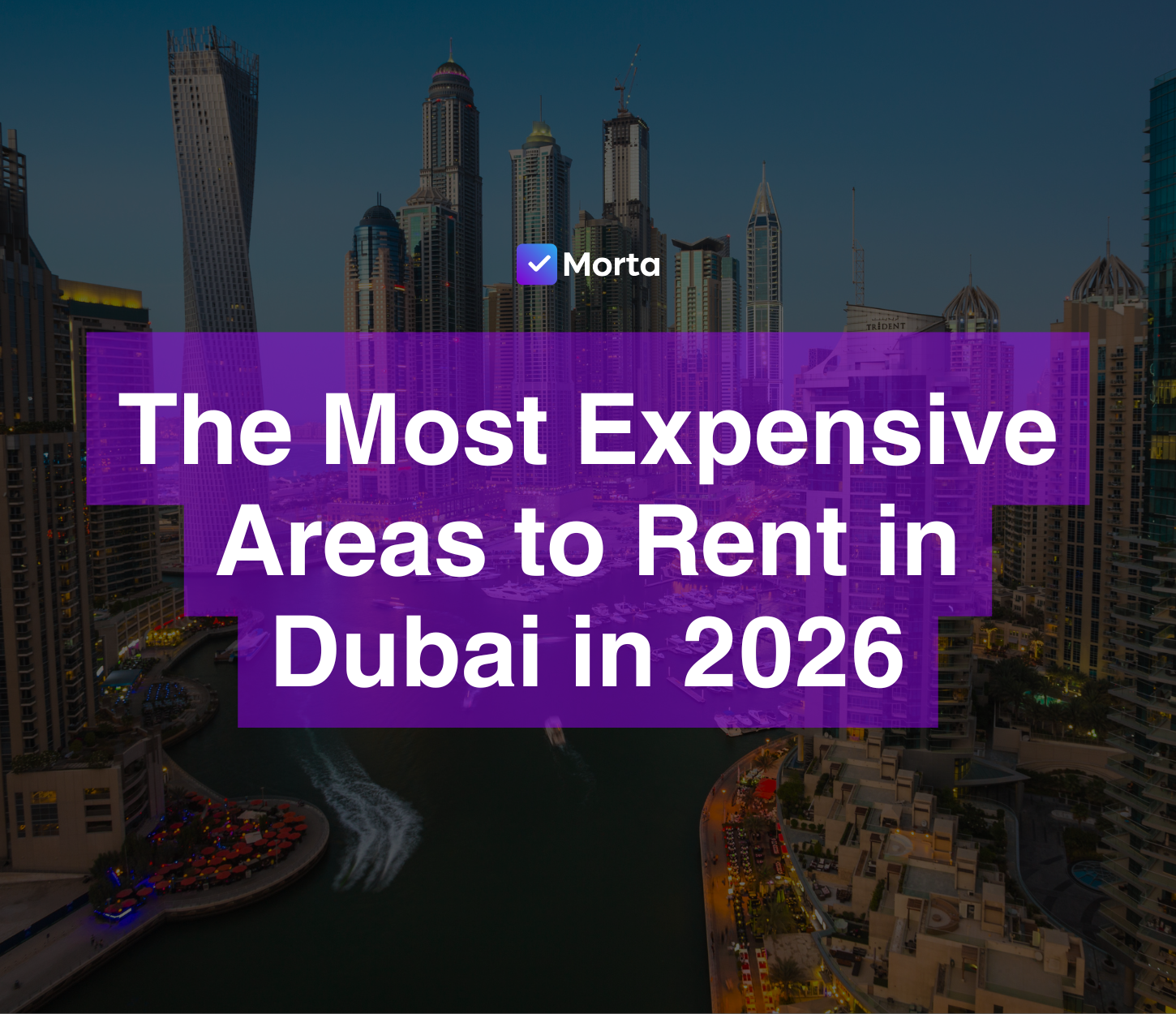
Dubai’s most expensive rental areas are concentrated around a small number of waterfront, financial and low-density residential districts. Bluewaters Island, DIFC, Palm Jumeirah, Downtown Dubai, Emirates Hills, Jumeirah Bay Island, Dubai Hills Estate and Tilal Al Ghaf all command substantial premiums, although the type of property matters as much as the address. A one-bedroom apartment in a prime tower and a six-bedroom mansion in the same city belong to entirely different rental markets. This distinction is important for property developers assessing demand. A high advertised rent may indicate genuine scarcity, an exceptional specification or simply an ambitious landlord. Platforms such as Morta.com help developers connect appraisals, costs, project delivery and portfolio reporting, allowing rental assumptions to be measured against the actual investment required to create and maintain a premium property.
What Does Gross Development Value (GDV) Mean in Property Development?
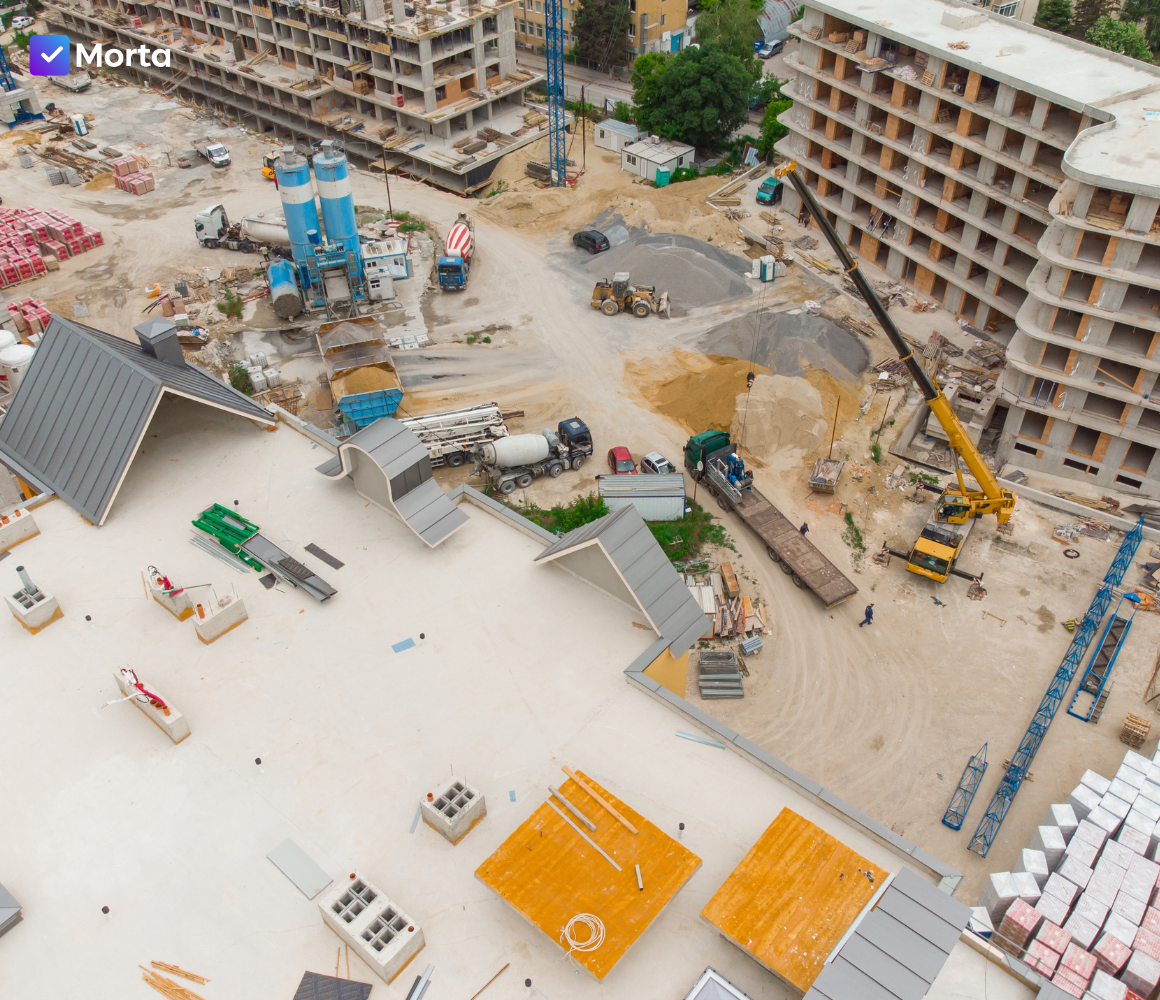
If you are new to property development, nothing feels more confusing than all the jargon that comes up in a project meeting. One of the most important terms is Gross Development Value (GDV). You will hear surveyors, investors and lenders talk about it. The term sounds technical but once you understand the thinking behind it, it becomes straightforward.
Property Flipping in Dubai vs London. Which Market Delivers More?
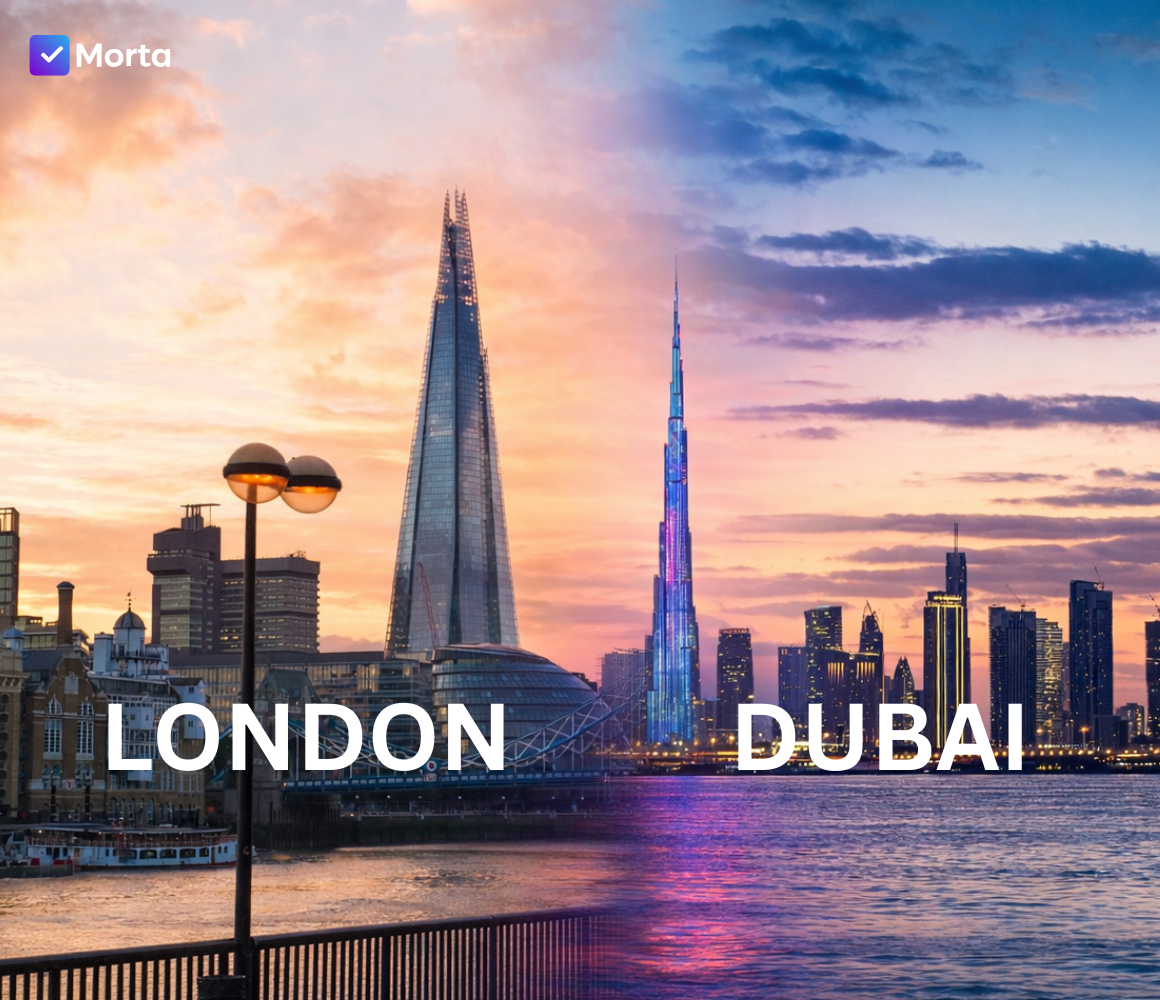
Property Flipping in Dubai vs London. Which Market Delivers More? Property flipping has become one of the most talked about investment strategies over the past decade. Investors like the idea of buying a property, improving its condition, and selling it for a higher price.

How to Start Property Flipping in the UAE
How to Start Property Flipping in the UAE Property flipping in the UAE continues to attract investors who want speed, clarity, and strong returns. Dubai in particular offers a rare combination of liquidity, transparent regulations, low tax pressure, and a high volume of buyers who are ready to move fast.