Featured
The Best & Worst U.S. States for House Flipping
The Best & Worst U.S. States for House Flipping U.S. states ranked from the most to the least attractive to house flippers
Read Full ArticleRecent Resources

What Should a CVR Report Include? A Property Developer’s Guide
Morta.com helps property developers bring budgets, project information and reporting into one place, making it easier to see how a development’s commercial position is changing. One useful tool for that is a CVR report. Short for cost value reconciliation, it compares project value with cost and helps reveal whether the expected financial position is holding up as work progresses. For a property developer, a CVR report should make it easier to answer practical questions: What has the project cost so far? What work has been completed or valued? What costs are committed but not yet paid? What changes could affect the final forecast? Morta supports this reporting process, but a useful CVR still depends on reliable data, clear assumptions and regular review by the people responsible for the project.
Construction Cost Overruns: What Property Developers Can Do to Prevent Them
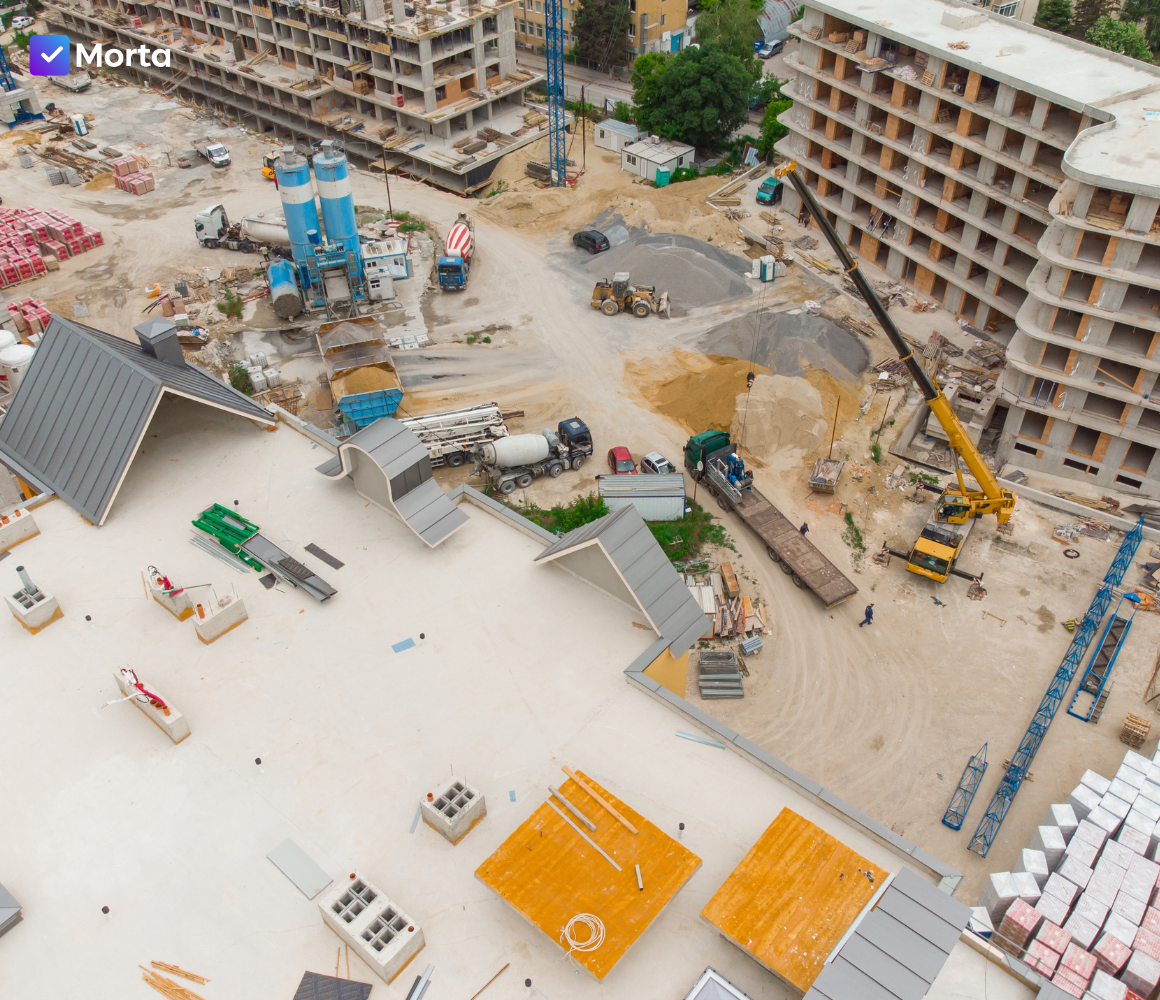
Construction cost overruns can turn a viable property development into a project with squeezed margins, delayed sales and difficult funding decisions. Morta.com gives property developers a shared place to plan projects, track costs and decisions, coordinate teams and keep information current from early appraisal through delivery. Used alongside experienced cost and project professionals, property development software can help teams spot emerging changes sooner and understand their likely effect on the budget. For a developer, the issue is not simply that the final account exceeds the original estimate. It is that the project’s expected outturn cost changes while key decisions are being made. A planning assumption proves wrong, a design is incomplete at tender, or a variation is approved without a clear view of its full cost. By the time the gap appears in a report, options to respond may already be limited.

How to Deal with Construction Site Noise for Property Developers
Construction site noise is part of building, but its effects depend on where the site is, what work is under way and when it happens. For property developers, the task is to plan noisy work carefully, reduce sound where practicable, protect workers and respond properly to neighbours. The World Health Organization identifies building sites as a source of environmental noise and links excessive noise exposure with effects including sleep disturbance and annoyance. Morta.com helps property developers keep programmes, site activity and project communication in one place, making it easier to plan disruptive works and keep the right stakeholders informed.

Bridging Loan vs Development Finance: A Property Developer’s Guide
Morta gives property developers a connected view of project costs, appraisals, procurement and delivery, information that becomes especially useful when you are deciding how a scheme will be funded. The right borrowing depends on what the project needs the money to do, how quickly it needs it, and how you intend to repay it. In broad terms, a bridging loan is short-term property finance often used to cover a purchase or funding gap while a developer arranges a longer-term solution or completes a specific sale. Development finance is structured to fund a property project, with money commonly released in stages as work progresses. The distinction sounds simple until a real deal involves planning, construction, refinancing, delayed sales, or several assets as security.
News (18)
View All
Rebuilding Investor Confidence Through Transparent Reporting in 2026
Morta.com brings a property development’s commercial and delivery information into one live system. That matters when market conditions change and investors or lenders want to understand where a project stands. Confidence depends partly on the figures themselves, and partly on whether a developer can explain how those figures were assembled and what has changed since the last report. Dubai’s property market has felt the effects of regional uncertainty. In March 2026, Reuters reported a sharp fall in transaction activity during the first 12 days of the month, as conflict in the region unsettled investors. That early snapshot should not be mistaken for a complete account of the year, but it illustrates how quickly sentiment can shift. For developers, the practical question is what their reporting can show when that happens.