Property Development
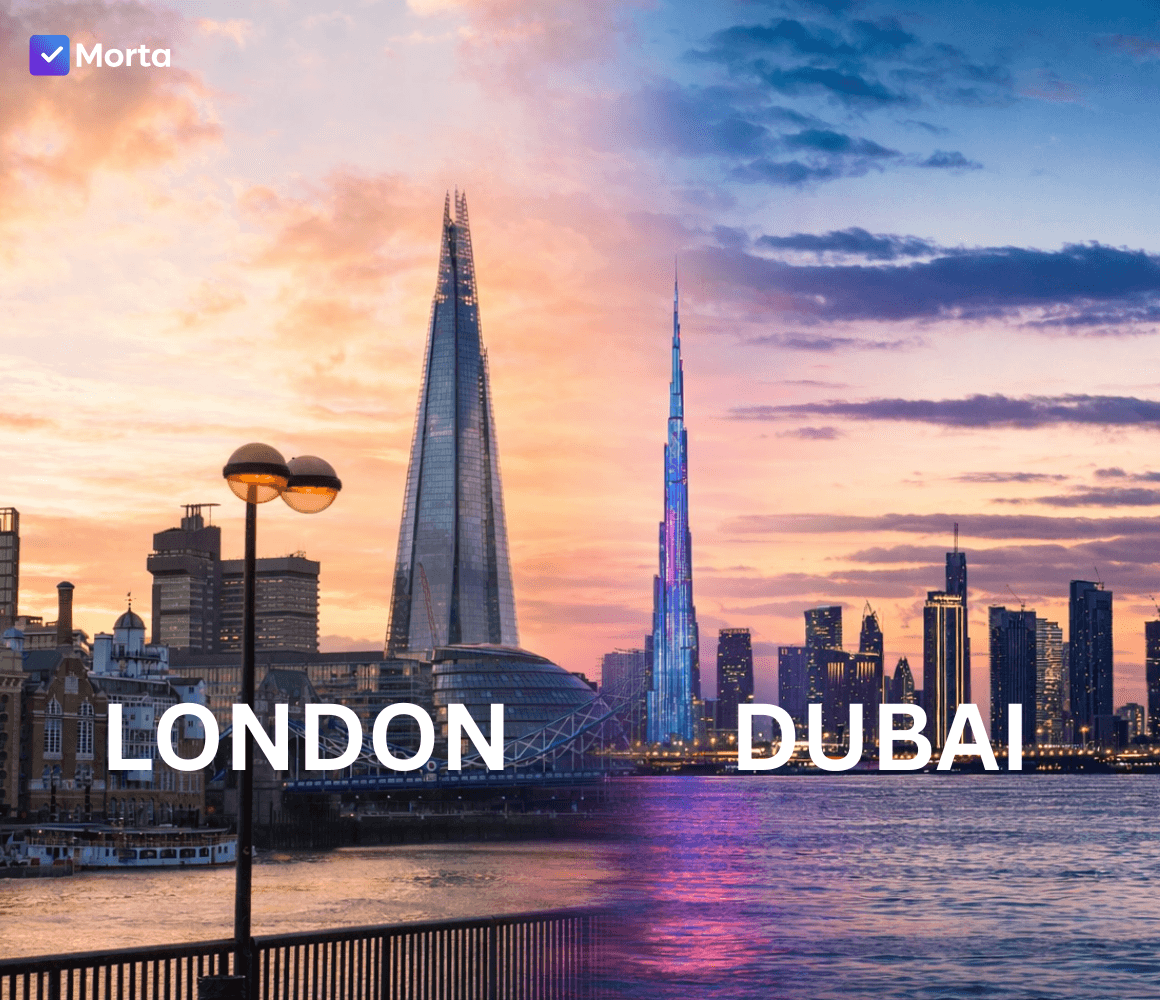
Property Flipping in Dubai vs London. Which Market Delivers More?
Alyssa Castillo
Alyssa Castillo
Property flipping has become one of the most talked about investment strategies over the past decade. Investors like the idea of buying a property, improving its condition, and selling it for a higher price.
The excitement comes from the speed of the cycle and the potential to generate strong returns without having to hold assets for years.
The difficulty comes from the details. Every market is shaped by regulations, planning times, cost structures, demand behaviour, and liquidity. Dubai and London are two of the most active global markets for this strategy, yet they operate in very different ways.
This article is designed for investors, property developers, and anyone trying to decide whether London or Dubai is the better market for property flipping.
Property flipping refers to the purchase of a property with the purpose of renovating it and selling it at a higher price. It is often called flipping houses, flipping properties, or simply flipping.
In the UK, it is commonly referred to as refurb and sell, while in Dubai it falls under resale with value add improvements. Although the fundamentals are similar, the strategies vary dramatically depending on location.
What makes this comparison interesting is that London and Dubai sit at opposite ends of many economic conditions. London is a long established, fully regulated, highly mature global financial centre with strict planning controls and slower supply delivery.
Dubai is young, highly agile, fast growing, and has streamlined approval processes that move at a pace most Western markets cannot match. You are essentially comparing history with momentum.

The buying stage shapes your entire flip. Finding the right undervalued asset is critical, and the entry costs differ sharply between both markets.
In London, buyers must consider stamp duty, conveyancing, legal checks, surveys, and lender requirements. The UK government publishes stamp duty brackets clearly. If you buy an investment property, you typically pay an additional three percent surcharge.
That cost must be factored into your flip calculations immediately because it reduces your margin before refurb works even start. Land Registry processing can also take time. The official target is to register new purchases within 15 to 30 days. Many transactions exceed this timeframe during high volume periods.
London financing is, however, one of the most accessible in the world. Investors can borrow at higher loan to value ratios compared to Dubai. It is common for UK lenders to offer 75% LTVs for buy to sell projects if the borrower demonstrates strong income or a proven flipping track record.
Specialist bridging finance is also established in London. Many lenders provide fast turnaround bridging loans that allow you to buy, refurbish, and sell quickly. Interest rates are higher than mortgages but the access to funds is much simpler. This makes London attractive for flippers who prefer leverage.
In Dubai, the buying process is more straightforward, although financing is more conservative. There is no stamp duty. Instead, you pay a 4% transfer fee to the Dubai Land Department. Conveyancing is faster. Completion timelines are shorter. Buyers can often go from offer to transfer in less than three weeks. This reduces holding time before refurbishment begins.
Financing is the main contrast. Banks in Dubai tend to offer lower LTVs for non residents. Many investors therefore buy with cash or partial financing. The trade off is a much faster pace and fewer barriers to entry for each transaction. For flippers who want speed over leverage, Dubai is appealing because the market rewards fast movers.
The availability of properties to flip also differs. London has a larger stock of older homes that are suitable for deep refurbishment. Victorian terraces, post war semis, and older flats often require modernisation.
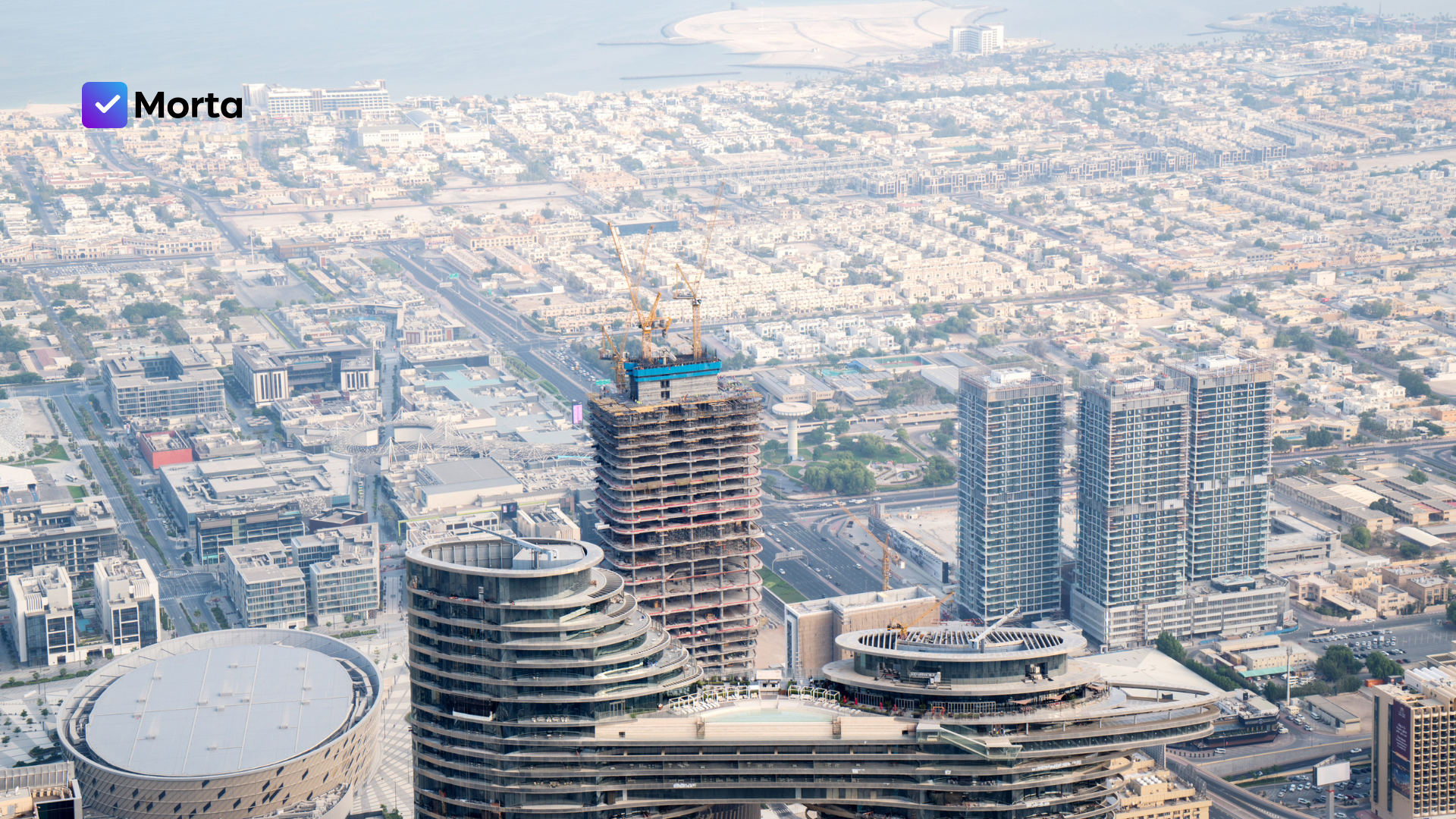
Dubai, on the other hand, has a younger stock, although certain communities like Damac Hills, JVC, The Springs, and older Downtown apartments have become hotspots for light to medium upgrades. Many Dubai flippers focus on cosmetic transformations rather than major structural works.
This is where the difference between both markets becomes dramatic.
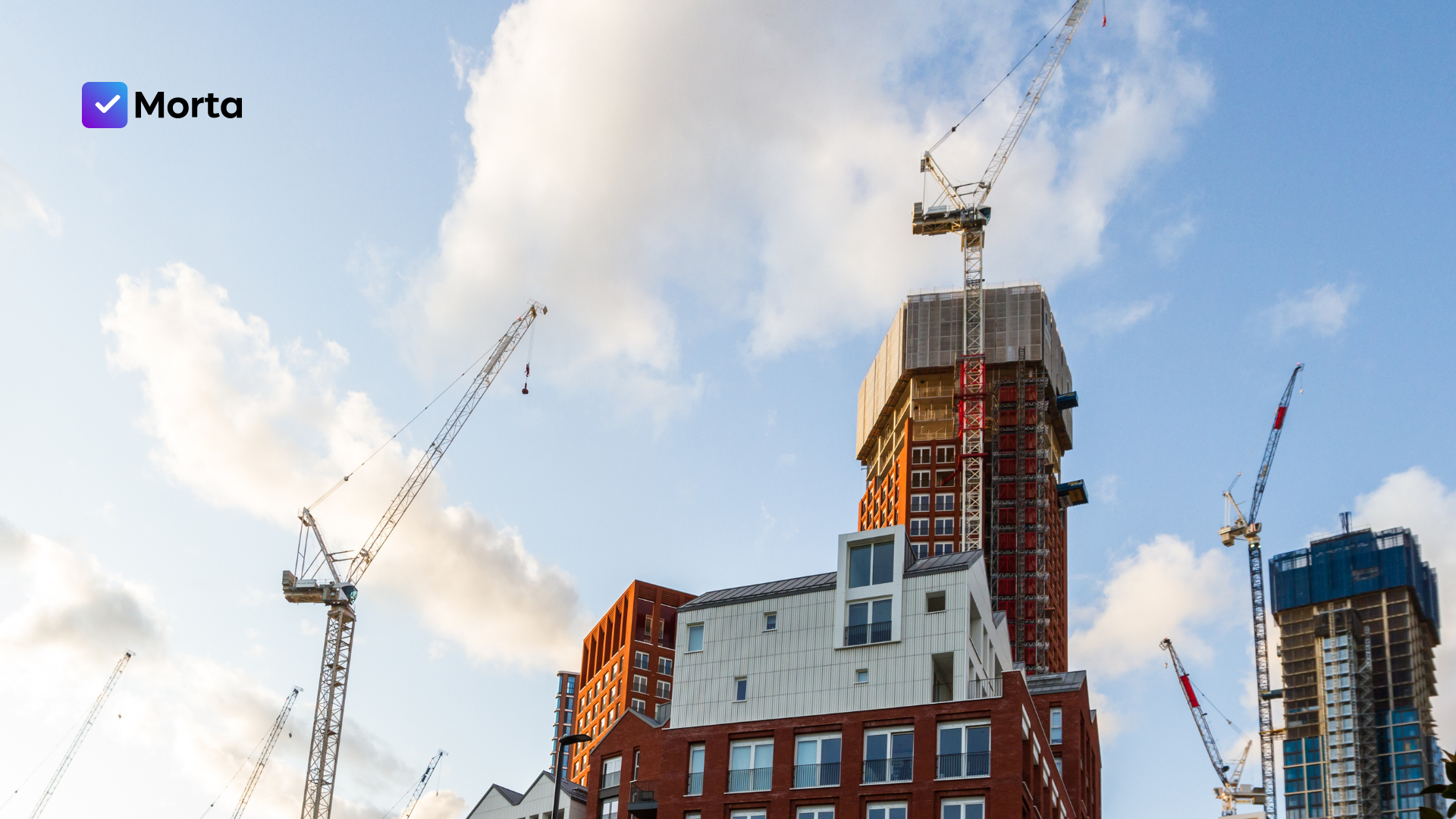
The UK has strict planning laws, tight building regulations, and a long queue for approvals in many boroughs. Even small extensions or major internal reconfigurations may require planning permission. This increases timelines significantly.
A typical London refurb that includes rewiring, plumbing updates, insulation improvements, and layout changes might take three to six months depending on contractor availability and planning approvals.
Larger works can take a year. Inspections, building control sign offs, and compliance checks are extensive. These protect buyers but slow down flippers. You must be prepared for delays, supply chain issues, and labour shortages.
Dubai is the opposite. Approvals are faster. Building control is centralised. Certain improvements do not require lengthy approval processes. Developers like Emaar, DAMAC, and Nakheel have clear guidelines for modifications. Many upgrades are cosmetic rather than structural. Timelines for internal upgrades are much shorter as long as the flipper follows community rules.
This is where a tool like Morta becomes extremely useful for both markets. Flippers and developers use Morta to manage inspections, track contractors, store documents, and monitor schedules. Morta keeps all refurb tasks visible across teams.
When flipping is time sensitive, having a central digital system to track every snag, permit and schedule adjustment reduces risk. Although this article is not about the software, it highlights how operational clarity enhances profitability.
Labour availability also differs. London has a shortage of skilled trades. Wage inflation continues to rise. Data from the Office for National Statistics shows increasing construction labour costs. Dubai benefits from a competitive labour market with shorter lead times. This drives faster refurbishment cycles.
Flippers depend on liquidity. You cannot profit if you cannot exit. London and Dubai behave differently during the selling stage.
London has deep demand from local buyers, foreign investors, and institutional landlords. Even during slow periods, central and commuter markets retain interest. However, transactions can take months. The buying process in the UK is long due to mortgage approvals, conveyancing, surveys, and the potential for chains to collapse. Properties can sit under offer for weeks without certainty.
Dubai’s liquidity is tied to speed rather than tradition. When the market is hot, properties sell within days. When the market cools, price sensitive buyers dominate but transactions still occur faster than many Western markets. Dubai has no chain system. Buyers place a deposit and complete the transfer directly.
This simplicity benefits flippers who can exit quickly after renovations. It is common to see refurbished units in Damac Hills, Dubai Marina, and JVC sell at strong premiums due to buyer preference for move-in ready homes.
The absence of capital gains tax in Dubai also shapes behaviour. The UAE Ministry of Finance outlines that the UAE does not levy personal capital gains for individuals. London does. UK investors must pay capital gains tax unless exemptions apply. This reduces net returns for UK flippers.
This is the part investors care about most. Profitability depends on margin, speed, leverage, and risk.
London offers stable growth over the long term. Flip margins vary widely depending on the area and condition of the property. Many flippers target £40,000 to £80,000 profit per project, but the margin is often reduced by labour costs, stamp duty, CGT, and long timelines.
The advantage is access to leverage. A well structured UK flip can deliver strong ROI because the investor may only put up 25 percent of the capital. This magnifies returns if the project sells successfully.
Dubai has higher profit margins per flip due to lower taxes, faster sales, and strong demand for upgraded properties. A well executed Dubai flip can generate AED 150,000 to AED 500,000 profit depending on the community and condition.
Communities like Damac Hills have become hotspots for flippers because villa layouts allow for visible transformation. Many investors focus on kitchens, lighting, flooring, and landscaping to create immediate value. The margin is strong because the market rewards modern aesthetics.
However, Dubai’s financing is more conservative. Investors use more cash upfront. ROI can be lower if leverage is minimal, but absolute profits are higher. The speed of the cycle often compensates. Completing two flips in Dubai per year can outperform one heavy London refurb purely due to velocity.
To keep this analysis balanced, here are the only bullet points in the article. This is the core comparison many investors look for:
There is no correct answer. Both cities can create strong returns, but the right environment depends on the investor’s resources, expectations, and timeline.
Choose London if you want leverage, stability, and deep resale demand. London suits investors who prefer structured systems and do not mind longer refurb cycles. It is ideal for those who want to build a long term flipping business supported by UK financing products.
Choose Dubai if you want speed, higher margins, and a much simpler approval process. Dubai suits investors who prefer quick cycles, cash based deals, and a market that rewards aesthetic upgrades. It is ideal for those who want visible progress and faster turnover.
Regardless of the choice, your success depends on your process. How you organise contractors. How you track inspections. How you manage budget drift.
How you document works. This is why many developers rely on tools like Morta, which treats each flip like a proper development project. You get one location for offers, tenders, reports, files, schedules, and team communication. When flipping becomes more professional, the profits usually follow.
Property flipping in Dubai and London is not about which city is better. It is about which city aligns with your financial style.
London gives you the depth of a mature market. Dubai gives you the speed of a young powerhouse.
The data shows stronger margins in Dubai and stronger financing in London. The processes show faster approvals in Dubai and more regulation in London. Both work if you understand their realities.
Flipping houses is a business. The more organised you are, the better your outcomes. If you treat each flip like a mini development project, manage your workflows with clarity, and study your chosen market properly, you will always be ahead of most investors who enter blindly.
This balanced comparison gives you the foundation to choose your direction. The rest comes from diligence, patience, and the willingness to execute with precision.