Top 5 Best Tax Free Countries to Live in 2026 | Morta
News
Top 5 Best Tax Free Countries to Live in 2026
Alyssa Castillo
When people search for the best tax free countries to live in, they are usually thinking about lifestyle. Sun, safety, maybe a lower cost of living.
Property developers think differently.
For anyone involved in property flipping, mid scale residential schemes or larger corporate developments, tax is not a lifestyle decision. It affects project structuring, capital allocation, exit strategy and retained profit. Understanding tax free countries is not about headlines. It is about whether the jurisdiction genuinely supports long term property development.
Below are five countries that are consistently discussed in conversations around tax free or low tax environments. This is written specifically from a property development perspective, not a travel blog angle.
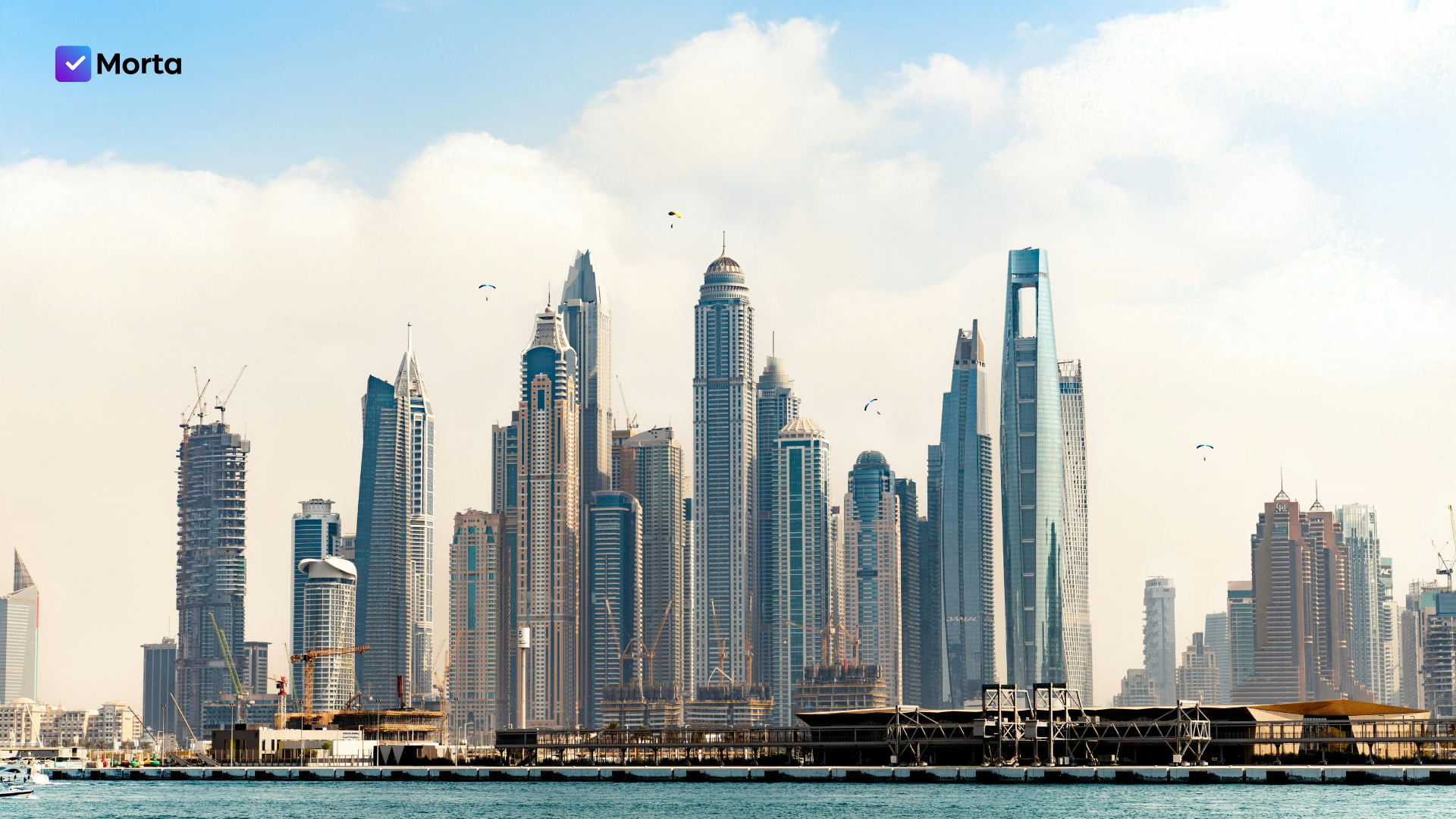
The UAE remains one of the most searched jurisdictions when people ask what countries are tax free or is Dubai a tax free country.
The short answer is that the UAE has no personal income tax. Individuals do not pay income tax on salaries, rental income or capital gains. That is significant for property flipping and individual investors.
However, since 2023, corporate tax of 9 percent applies to profits above a threshold. This matters for structured development companies.
For developers, the UAE offers something more important than zero income tax. It offers liquidity. Dubai in particular has a deep off plan market, international buyers and strong infrastructure.
Pros
No personal income tax
No capital gains tax at individual level
Strong demand in Dubai residential sector
Efficient company formation in free zones
Cons
Corporate tax now applies in many cases
Land costs in prime areas are high
Market cycles can be sharp
For developers scaling multiple projects, the UAE rewards operational discipline. High transaction velocity means mistakes compound quickly. Many mid sized developers are now moving towards integrated property development software to track feasibility, cost planning and contractor workflows from day one rather than patching systems later.
2. Monaco
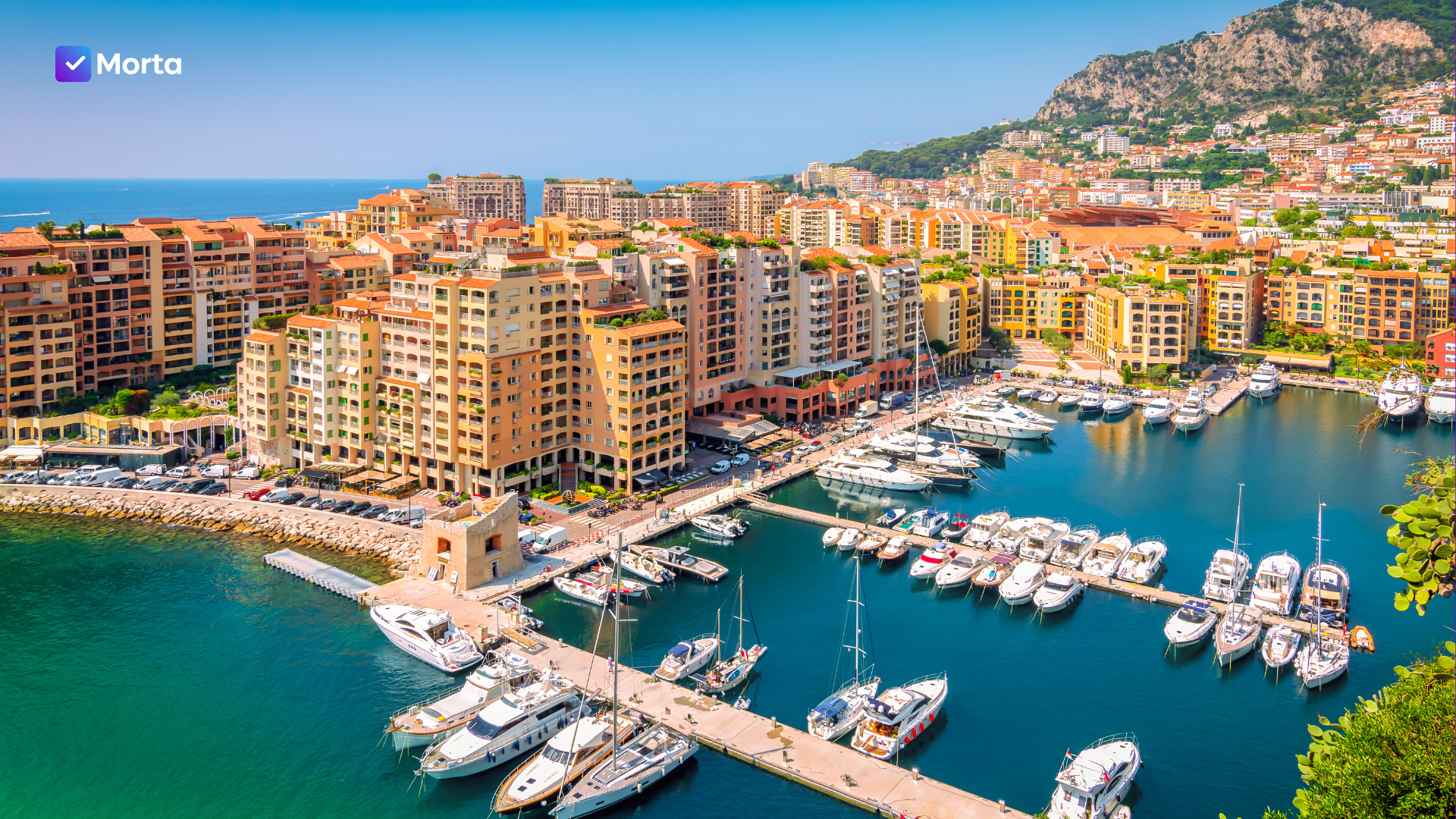
Monaco is often cited in discussions about countries that are tax free, particularly among high net worth individuals.
Monaco does not levy personal income tax for most residents. There is also no capital gains tax for individuals. That is attractive if your wealth is already built.
From a development perspective, however, Monaco is a niche market. Land is scarce. Entry capital is substantial. The volume of transactions is limited compared to cities like Dubai or Singapore.
Pros
No personal income tax
No capital gains tax
Strong demand for ultra prime property
Political stability
Cons
Extremely high acquisition costs
Limited development opportunities
Corporate tax can apply in certain cases
Monaco is less about scaling and more about positioning. Developers operating here are usually working on boutique, high margin schemes rather than repeatable mid market residential blocks.
3. Cayman Islands
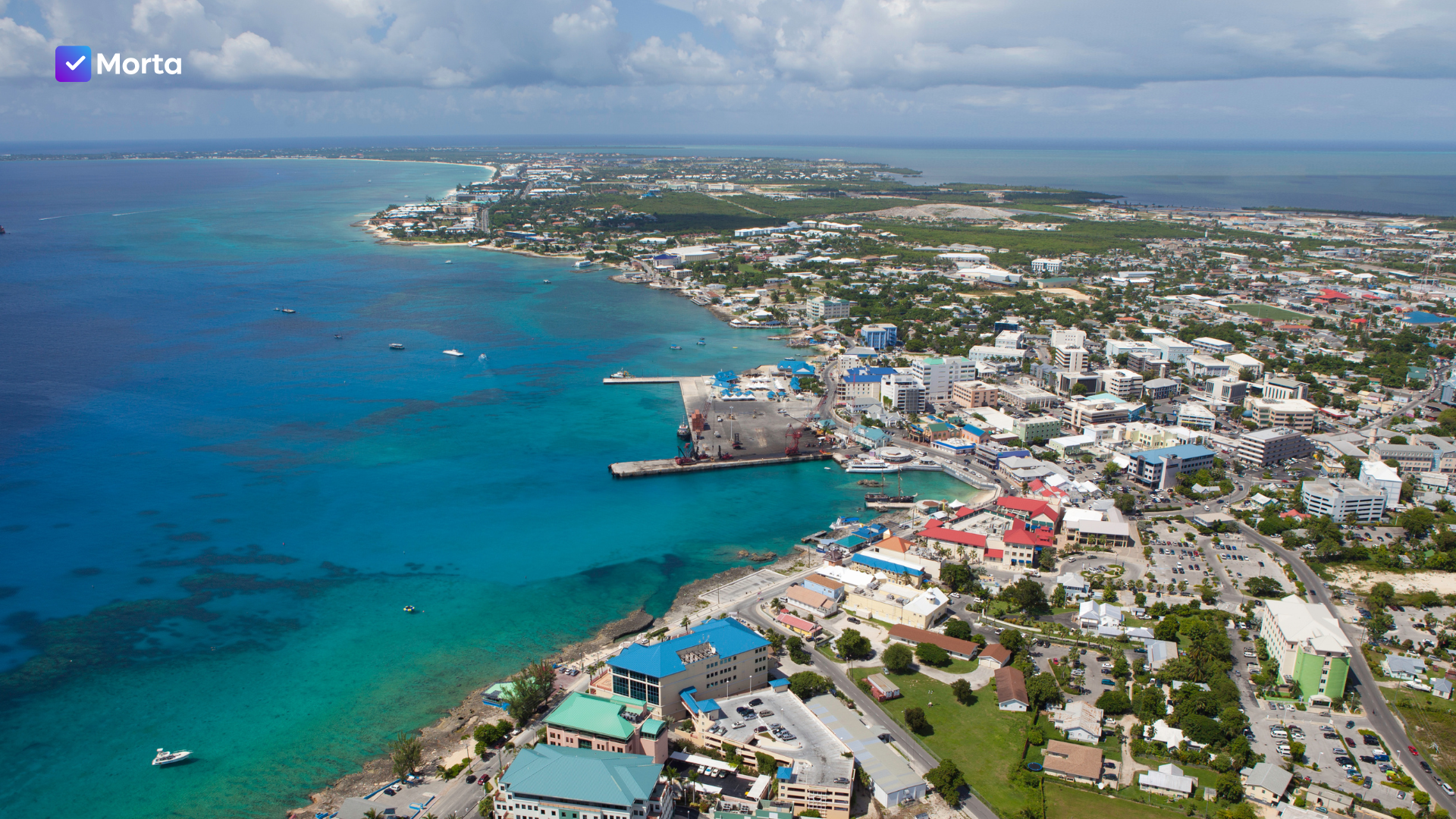
The Cayman Islands are frequently mentioned when people research tax free countries.
There is no personal income tax, no corporate income tax and no capital gains tax. That is why Cayman is often used as a holding jurisdiction for development entities and funds.
The local property market itself is stable but relatively small compared to major global cities. For developers, Cayman often plays a structuring role rather than an operational one.
Pros
Zero income and corporate tax
Strong financial services framework
Stable legal system
Cons
High cost of living
Limited scale in local property marketHeavy reliance on financial services
For developers running cross border projects, clarity around entity structures and reporting becomes critical. Managing UK or UAE developments through offshore vehicles without robust internal systems can quickly create reporting blind spots. This is where disciplined workflows matter more than the headline tax rate.
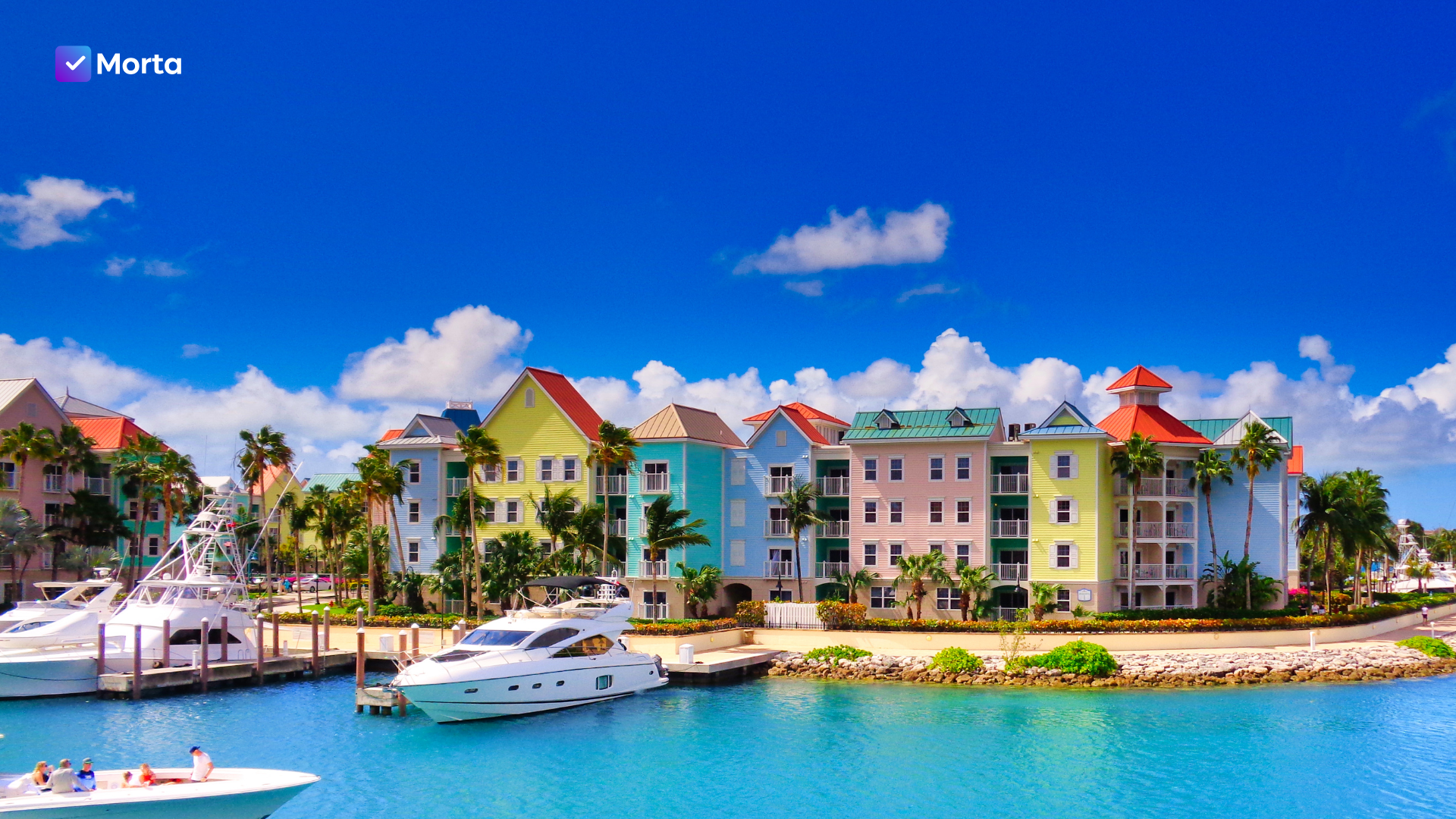
The Bahamas does not impose personal income tax or capital gains tax. It is frequently listed among tax free countries for individuals.
For property developers, the appeal lies mainly in tourism driven residential and resort projects. However, the development environment differs significantly from mainland markets.
Import duties can increase construction costs. Logistics can affect timelines. Infrastructure outside key zones may not match large urban centres.
Pros
No personal income tax
No capital gains tax
Attractive residency options
Tourism driven property demand
Cons
Import duties raise construction costs
Weather risk exposure
Smaller domestic buyer base
For property flipping in resort markets, margins can be strong if acquisition timing is right. However, cost forecasting needs to be realistic. In these markets, detailed cost planning and contractor coordination become even more important than in established city environments.
5. Qatar
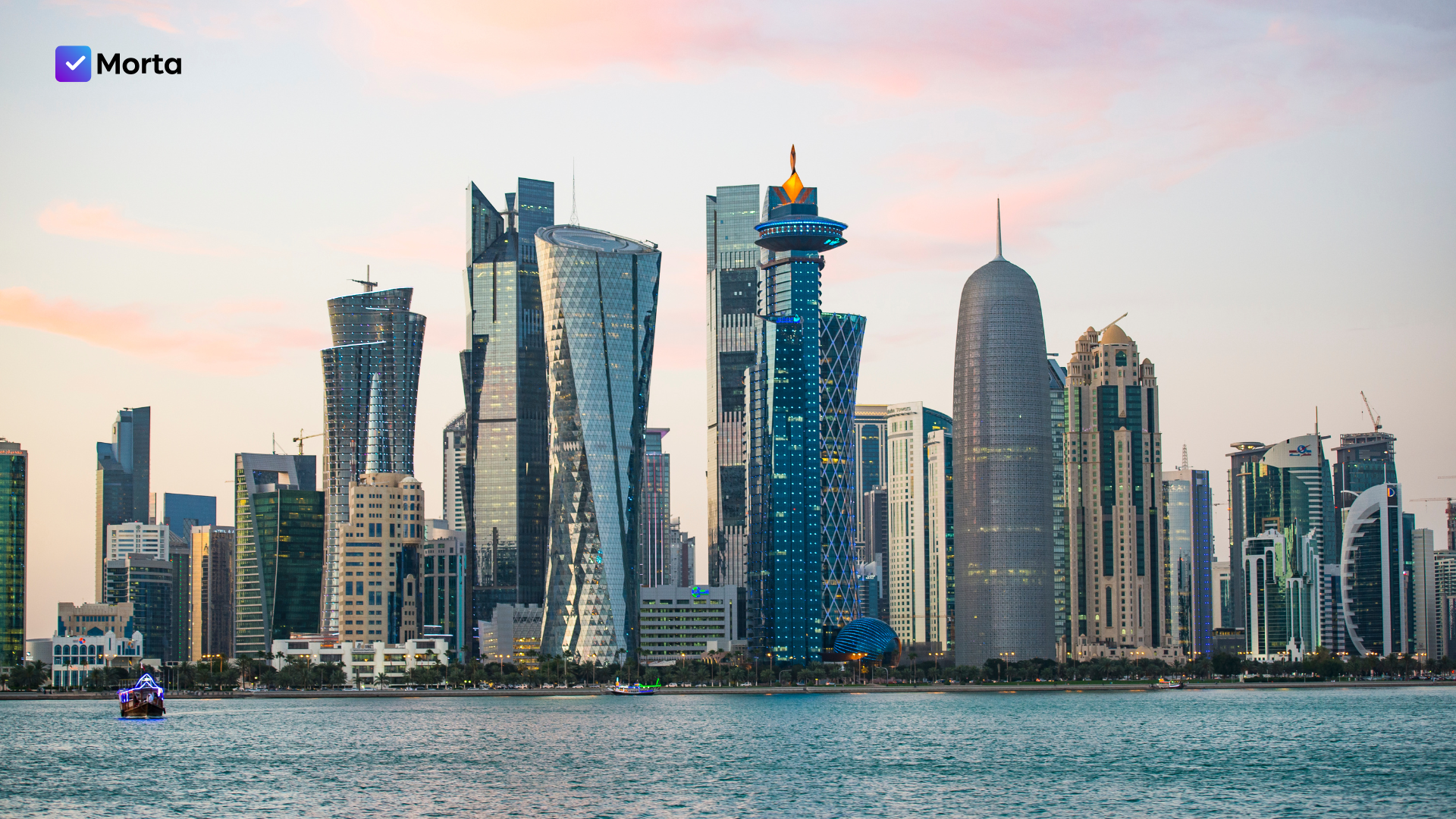
Qatar is another Gulf state that appears in searches for what countries are tax free.
There is no personal income tax in Qatar. Corporate tax generally applies at around 10 percent for foreign owned businesses. The country continues to invest heavily in infrastructure and real estate.
Unlike Dubai, the market is smaller and more relationship driven. Local partnerships often matter.
Pros
No personal income tax
Ongoing infrastructure development
Strategic Gulf location
Cons
Corporate tax for foreign entities
Smaller buyer pool compared to Dubai
Market access can require local alignment
For developers considering expansion into Qatar, structured planning and compliance management are not optional. Government backed projects can offer scale, but processes require organisation and documentation.
The Reality Behind “Tax Free”
When developers search for the best tax free countries to live in, they often assume zero tax equals maximum profit.
That is rarely the full story.
Property development profitability depends on:
Acquisition price
Construction cost control
Sales velocity
Financing structure
Exit timing
Tax influences net outcome, but operational inefficiency can wipe out more value than a 9 percent corporate rate ever will.
For developers running multiple schemes, especially across jurisdictions, clarity is power. Feasibility appraisals need to link directly to cost reporting. Contractor collaboration must be traceable. Defect management post handover should not live in email chains.
This is why more professional developers are investing in purpose built property development software rather than relying solely on spreadsheets. Tools such as Morta are designed specifically for development workflows, from pre construction planning through to post handover tracking.
If you are exploring tax free countries while scaling projects internationally, your systems must be stronger than your tax strategy. A low tax base with weak internal controls creates risk. A disciplined structure with clear oversight creates resilience.
The best tax free countries to live in depend on your objective.
If your goal is personal wealth preservation, jurisdictions like the UAE, Monaco or Cayman may appeal.
If your goal is active property development, you must look beyond the income tax headline and analyse market liquidity, regulation, acquisition cost and operational efficiency.
Property flipping and large scale development both demand structure. Tax optimisation is one part of that structure. Execution is the rest.
If you are building a serious development portfolio and want visibility across feasibility, cost planning, contractor workflows and post handover processes, having integrated systems is no longer optional. It is how disciplined developers protect margin in any jurisdiction.
Tax can reduce your leakage.Systems protect your profit.