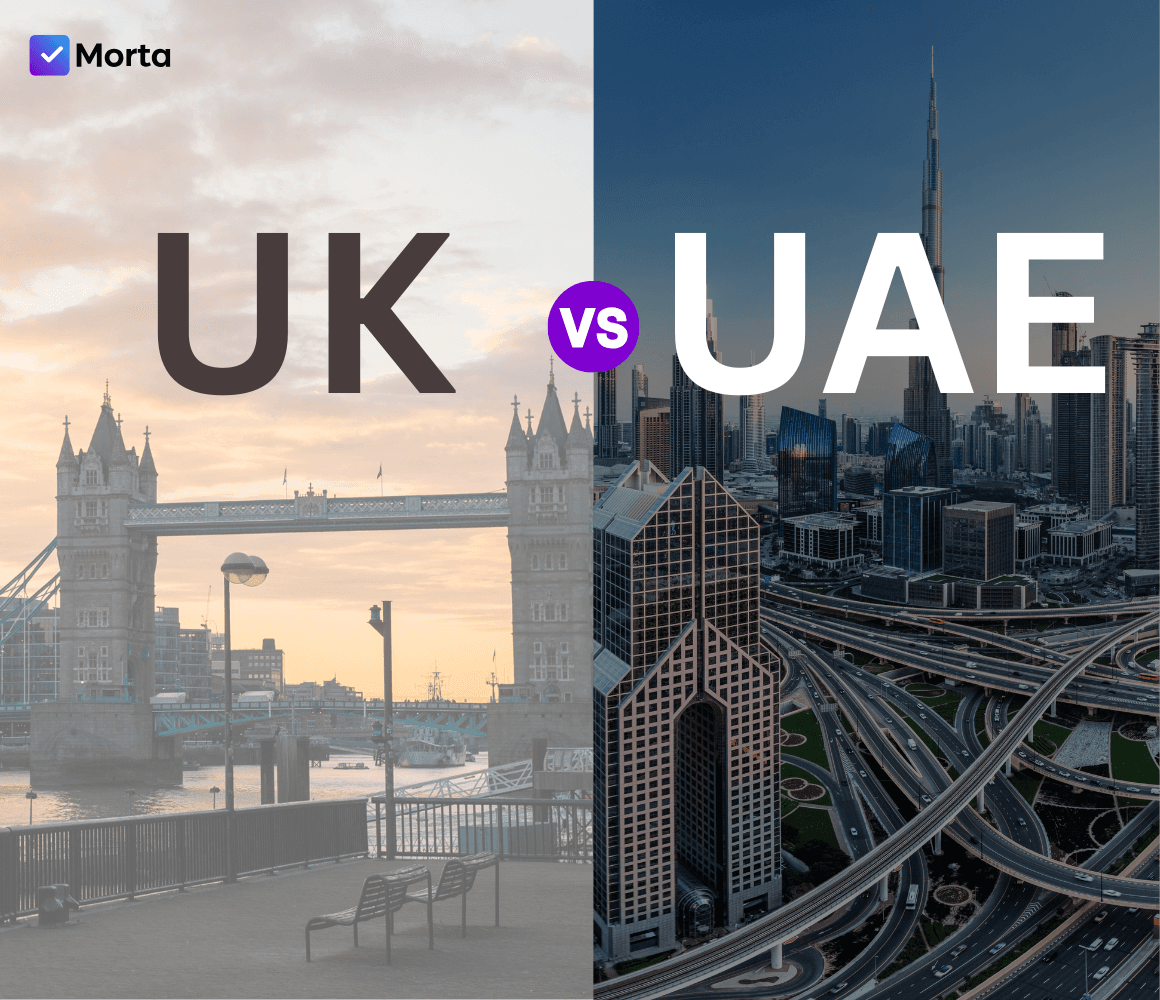
UK vs UAE. Where Is Better for Property Flips? Guide for Property Developers
Alyssa Castillo
Property flipping has gained traction in both the UK and the UAE, especially among developers who want faster returns or are looking to scale their portfolios. While both markets offer opportunities, the pace, regulations and financial outcome differ sharply. To understand which country gives you the stronger advantage, this guide breaks down real timelines, market data and the lived experience of developers who work in each region.
It also looks at why organisation plays a bigger role than most people realise, especially when trying to flip more than one property at a time.
Understanding Property Flipping
Flipping a property is straightforward in theory. You buy, improve and sell for a higher value. The real performance depends on how long each phase takes, how predictable the approval processes are and how much demand there is once you relist the property. That is where the UK and UAE begin to diverge.
Developers often expect the buying stage to move quickly, but in practice the UK can take months, while Dubai can move in a matter of weeks. Renovation and selling speed follow similar patterns.
The faster a cycle completes, the better your annual return. That is why analysing timelines matters as much as analysing price charts.
The Buying Process
Buying in the UK
The UK has a structured system designed to protect both buyers and sellers, but it does mean flips move slowly. According to market analysis from Zoopla, the average time from listing a home to completing the sale is around 185 days.
Within this period, conveyancing alone typically spans ten to twelve weeks, sometimes longer in busier seasons.
For a property flipper, that initial delay reduces momentum. Even if you secure a property quickly, the legal steps can take months before you receive the keys.
Buying in Dubai
Dubai operates with a more efficient approach. The Dubai Land Department’s 2024 annual report highlights strong investor activity, record transaction volumes and streamlined processes for freehold transfers. Because many buyers are cash buyers, transactions progress quickly. Even financed transactions move faster than typical UK mortgage chains. Title transfers are straightforward, and completion timelines often sit at just a few weeks.
When developers manage multiple acquisitions at once, having all purchase documents and approvals stored cleanly makes the process smoother. Some property developers use digital tools like Morta to keep their paperwork organised, especially when deals overlap.
Most UK homes attractive for flipping are decades old, if not older. When you buy an older property, you inherit ageing plumbing, insulation that no longer meets modern standards, uneven flooring, potential damp issues or outdated wiring. Some properties also require planning permission or building control inspections for certain types of work.
Contractor availability varies widely across regions, and lead times for materials can extend projects. This is why renovation timelines in the UK often stretch longer than expected.
Even simple cosmetic improvements can take longer due to the number of checks involved. Developers who flip in the UK often need extra margin in their timelines to handle unexpected issues.
Renovating in Dubai
Dubai’s housing stock is much newer. Renovation rarely involves deep structural work, and property developers usually focus on cosmetic upgrades that significantly improve resale appeal. These tend to include modern flooring, updated kitchens, upgraded bathrooms, new lighting, refreshed interiors and outdoor landscaping.
Dubai’s property prices have shown consistent growth, with apartment prices rising by around fifteen percent year on year and villas increasing by more than 17%.
Because the market rewards clean and modern upgrades, developers often complete renovations in a matter of weeks. Contractors are readily available, communities have clear modification guidelines and material supply is stable.
For property developers who oversee several projects at once, keeping contractor updates, material orders and inspection notes in one place helps maintain consistency. Some use Morta quietly in the background to monitor progress without relying on separate spreadsheets or message threads.
Selling Process and Market Demand
Selling in the UK
Selling a newly refurbished property in the UK can be a slow journey. Mortgage approvals, survey results, buyer chains and legal steps all influence how quickly you can close the sale.
Zoopla’s data confirms that even after a buyer is found, the full selling timeline often remains close to 6 months. This affects developers who depend on rapid turnover. Even profitable flips become less attractive when capital is tied up for extended periods.
Selling in Dubai
Dubai’s selling process moves at a noticeably faster pace. The 2024 Dubai Land Department report shows high buyer demand across both off plan and ready properties.
Because many buyers use cash or quick financing, chains rarely delay sales. Property developers often complete the selling stage in weeks, not months. Clear documentation helps avoid slowdowns, which is why some developers keep inspection records and compliance documents neatly stored in a project tool like Morta.
Financial Performance in the UK vs Dubai
The UK’s Strength: Financing Accessibility
The UK offers reliable access to financing. Traditional mortgages, bridging loans and property-backed loans allow developers to take on flips with lower upfront capital. Entry prices in some regions give beginners a workable starting point.
The challenge comes later. Long timelines, higher tax exposure and unexpected refurb issues reduce net returns. Even with solid margins, the slow cycle limits the number of projects you can complete per year.
Dubai’s Advantage: Speed and Appreciation
Dubai’s consistent price growth benefits developers who move quickly. With villas growing by more than seventeen percent annually and apartments not far behind, flips benefit from both the renovation uplift and the broader price movement.
Fast buying, fast refurbishment and fast selling make it possible to complete multiple flips in a single year. This is where Dubai’s advantage becomes apparent.
Even with higher upfront capital requirements, the overall return on time often surpasses that of the UK.
Why Organisation Matters in Both Markets
Regardless of where you flip, property development requires discipline. Budgets must stay tight, contractor tasks need tracking, procurement must be logged, inspection notes must be accessible and communication must remain clear.
In the UK, this helps prevent delays. In Dubai, it keeps fast projects from becoming chaotic.
A surprising number of delays come from small oversights, not big problems. That could be a forgotten quote approval, a missed variation, or an unrecorded inspection.
This is why many property developers use structured platforms instead of spreadsheets. Morta is one such tool that sits quietly in the background, keeping budgets, tenders, inspection reports and contractor communication in one organised space. It prevents small mistakes from snowballing into costly delays.
Example Scenario
Consider a typical townhouse flip in Damac Hills, one of Dubai’s consistently active communities. A developer buys a three bedroom home at market value. The renovation focuses on modernising interiors, refreshing the kitchen, improving bathrooms, updating flooring and adding simple landscaping.
Because the home is newer and most improvements are cosmetic, the entire renovation can be completed within a few weeks.
Given ongoing demand, the property developer relists the home soon after.
Damac Hills attracts both local and international buyers, many of whom prefer homes already upgraded.
This often results in a fast sale at a higher price, allowing the developer to reinvest the capital quickly.
During these fast-moving projects, some developers keep track of contractor quotes, material orders and snagging lists through Morta so they do not lose time to disorganisation.
UK or UAE for Property Flips
The UK remains a stable environment for property flipping, especially for those relying on financing or those who prefer a slower pace. The system is predictable and accessible, but timelines stretch long and limit how often you can scale.
The UAE offers a very different dynamic. With quick transactions, fast refurbishments, strong buyer demand and steady price growth, Dubai remains one of the most attractive markets for developers who prioritise speed and stronger annual returns.
Both markets can work. The difference lies in momentum.
The UK rewards patience and careful budgeting.
Dubai rewards structure, clarity and the ability to move quickly.
Whichever market you choose, staying organised is what protects your margins. That is why developers quietly rely on structured systems like Morta. It keeps every part of the project clear, from budgets to inspections, so each flip completes without unnecessary delays.