Property Development
UK’s Top 5 Most Expensive Properties Ever Sold (2026)
Alyssa Castillo
Alyssa Castillo
There is a certain tier of property where pricing stops behaving rationally.
At that level, value is not driven purely by size, finish, or even location in the traditional sense. It becomes about control. Control over land, over views, over history, and, in many cases, over something that simply cannot be recreated.
For property developers, these transactions are not just headlines. They are indicators. They show where capital is moving, what buyers at the very top actually care about, and how pricing is justified when supply is effectively fixed.
If you are working in property development, whether you are scaling into larger schemes or refining smaller ones like property flipping, there is value in understanding how these deals come together.
Below are five of the most expensive UK property sales ever recorded, with context that actually matters from a developer’s perspective.
Try Morta for Free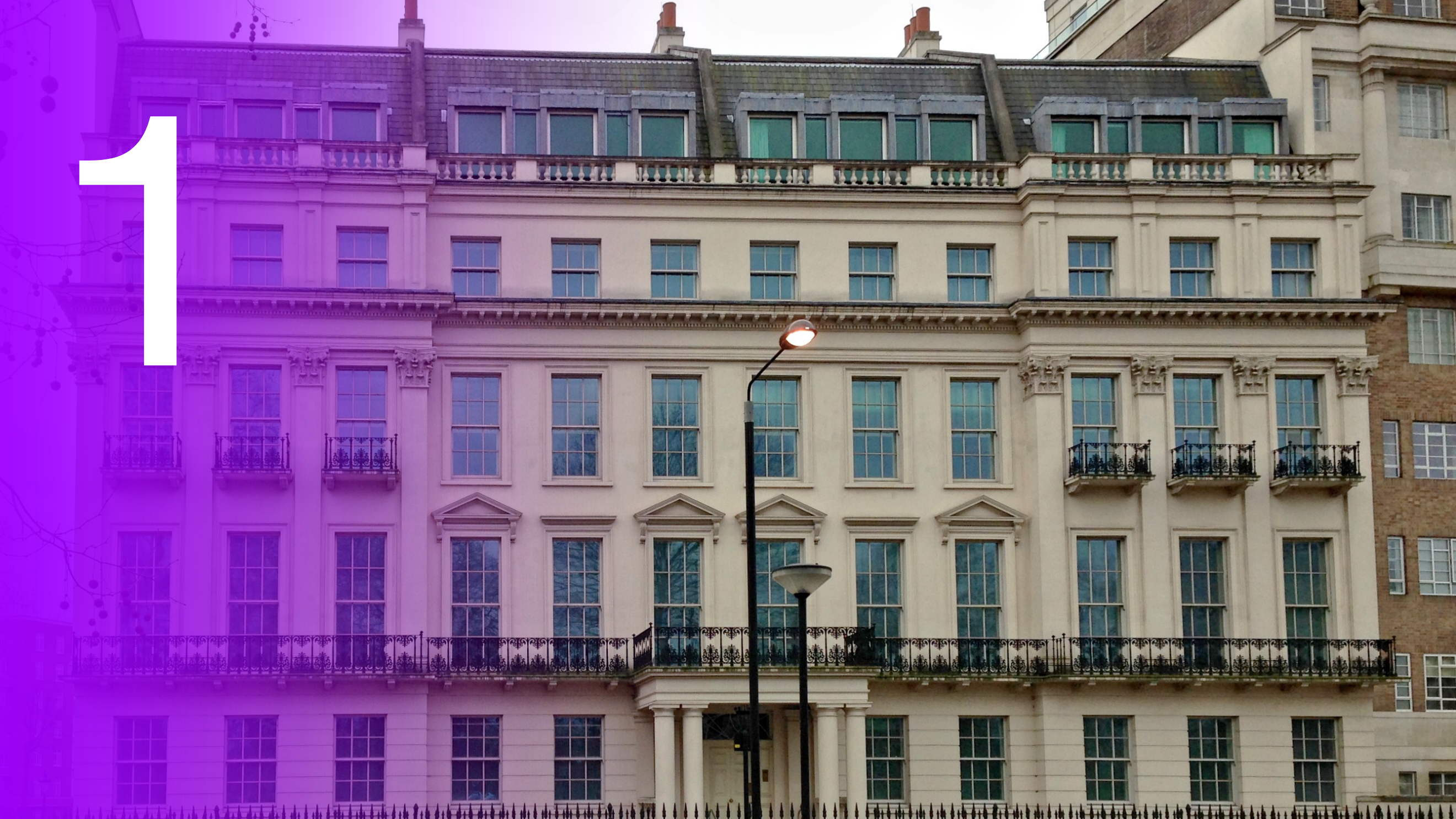
Estimated sale: £210 million
This is widely recognised as the most expensive property ever sold in the UK.
Positioned directly opposite Hyde Park, 2–8a Rutland Gate is not a single townhouse in the usual sense. It is a combination of multiple properties merged into one residence, creating a scale that is almost impossible to replicate in central London.
The reported buyer, a Chinese billionaire, acquired the asset in 2020 for around £210 million. What is often overlooked is that the property was not in pristine condition at the time of purchase. It required substantial redevelopment.
That is where the real story sits.
What makes it expensive is not just the address. It is the combination of location, scale, and the ability to transform it into a completely bespoke asset.
For developers, this is a clear example of pricing driven by potential rather than current condition.
Being able to accurately assess that potential is not guesswork. It comes down to feasibility modelling, cost planning, and scenario testing. This is where software for property development becomes essential. When you are dealing with assets at this level, even small errors in modelling can translate into millions.
Try Morta for Free
Estimated sale: £140 million
1 Hyde Park marked a turning point for new build luxury in London.
Developed by Candy & Candy, it redefined what buyers expected from a high end residential scheme. The penthouse sale, estimated at around £140 million, is one of the highest ever recorded for an apartment in the UK.
What is interesting here is not just the finish or the design. It is the infrastructure around the property.
Residents have access to services linked to the Mandarin Oriental, alongside private security, discreet entry systems, and a level of operational detail that feels closer to a private members club than a residential building.
From a development perspective, this is where value shifts from physical space to experience.
It also raises the bar for delivery. Coordinating this level of integration requires tight control across contractors, consultants, and operators. Without a central system, that coordination becomes fragmented very quickly.
This is where platforms like Morta start to make sense. Not as an add on, but as the environment where those moving parts are actually managed.

Estimated sale: £140 million
Grosvenor Square operates on a different level within central London.
The penthouse sits within the former US Embassy building, which was redeveloped into ultra prime residential units. That transformation alone is what drives much of the value.
You are not just buying into Mayfair. You are buying into a piece of diplomatic history that has been reworked into private ownership.
The pricing reflects three things. Location, yes, but also narrative and scarcity.
There are only a handful of opportunities to convert buildings of that scale and significance in central London. When they do come to market, they attract a very specific type of buyer.
For developers, this is a case study in repositioning.
The structure already existed. The value was created through vision, planning, and execution. The challenge is knowing whether that repositioning justifies the cost. That is where having accurate appraisal tools matters, especially when dealing with complex conversions.
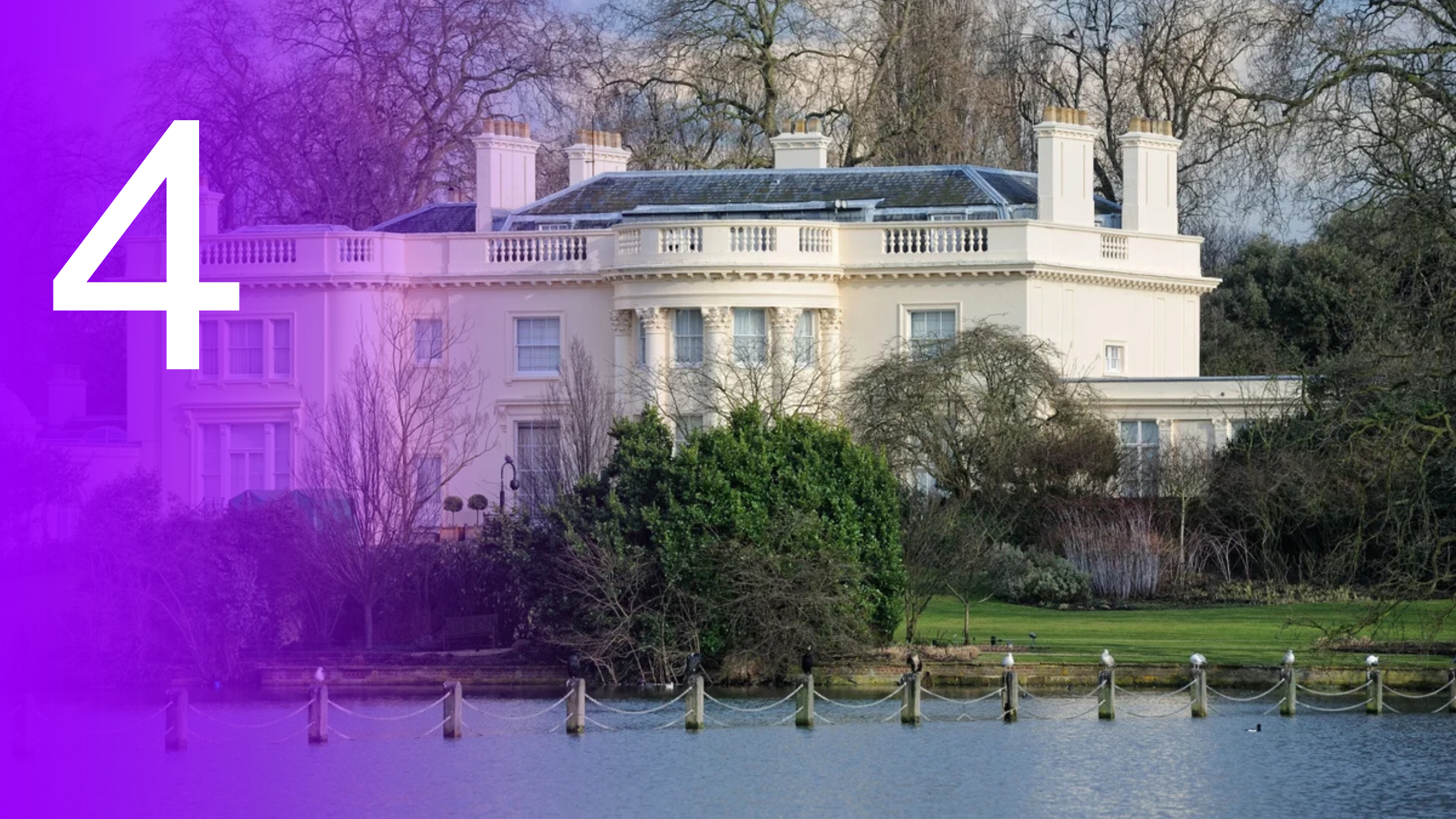
Estimated valuation: ~£250 million (widely reported)
The Holme is one of the largest private residences in central London.
Located within Regent’s Park, it offers something that is almost impossible to replicate. Space. Not just internal space, but land.
At a reported valuation of around £250 million, it sits among the highest valued residential assets in the country, although the transaction structure has been less transparent than others on this list.
What drives value here is not vertical living. It is horizontal control.
For developers, this highlights a different type of opportunity. Land assembly in prime locations. When multiple plots can be combined into a single large site, the resulting value can exceed the sum of its parts.
But that only works if the numbers hold.
This is where management property software designed for developers becomes critical. Tracking land costs, planning risk, and delivery timelines across assembled sites requires more than static spreadsheets.
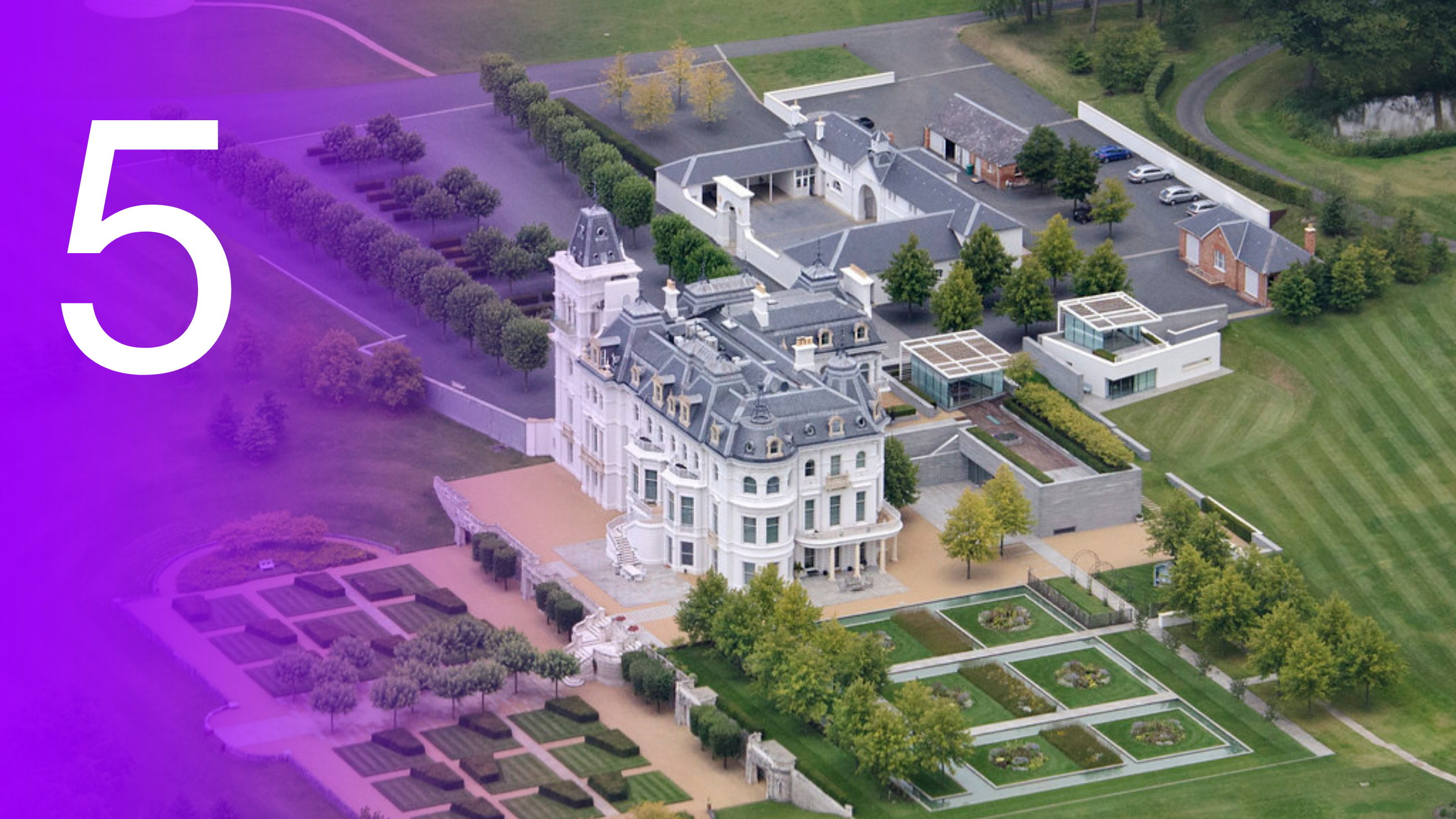
Estimated sale: £140 million
Park Place sits outside London, but it belongs firmly in this conversation.
Located near Henley-on-Thames, the estate spans hundreds of acres, including parkland, lakes, and multiple residential structures. It represents a different type of ultra prime asset. One built around privacy rather than proximity.
Inline source: Financial Times reporting on Park Place transactionhttps://www.ft.com/content/5b2d4c3a-3f2e-11e1-80f3-00144feabdc0
What makes it valuable is scale and control over land.
There is a segment of buyers who prioritise space over centrality. That demand has grown, particularly after shifts in how people view city living.
For developers, this opens a different lens.
Not every high value project needs to sit in Zone 1. In some cases, value can be created by offering something the city cannot. Space, privacy, and autonomy.
At first glance, these properties feel disconnected from everyday development.
Different scale, different buyers, different stakes.
But the underlying principles are consistent.
Value is driven by:
For developers, the gap between a standard project and an exceptional one often comes down to how well those factors are understood early.
This is where property development software has started to change the way deals are assessed.
Instead of relying on disconnected tools, developers are moving towards systems that allow them to model feasibility, track live performance, and maintain control across the lifecycle.
Platforms like Morta are built around that idea.
Not to replace one part of the workflow, but to connect all of it.
The most expensive UK property sales are not just extreme examples.
They are compressed versions of the same decisions developers make every day.
Where is the value. What makes it scarce. Can it be improved. And will the numbers hold when it is delivered.
At any scale, those questions do not change.
Only the margin for error does.
Try Morta for Free